Shopicks

Category

Home & Living

Most of what goes wrong with the air in a UK home comes down to water. Cooking, showers, wet washing and breathing all add moisture, and it settles on whatever is coldest. This section starts with the appliance people most often reach for in response, the dehumidifier, and with the harder question of when one is the right answer.

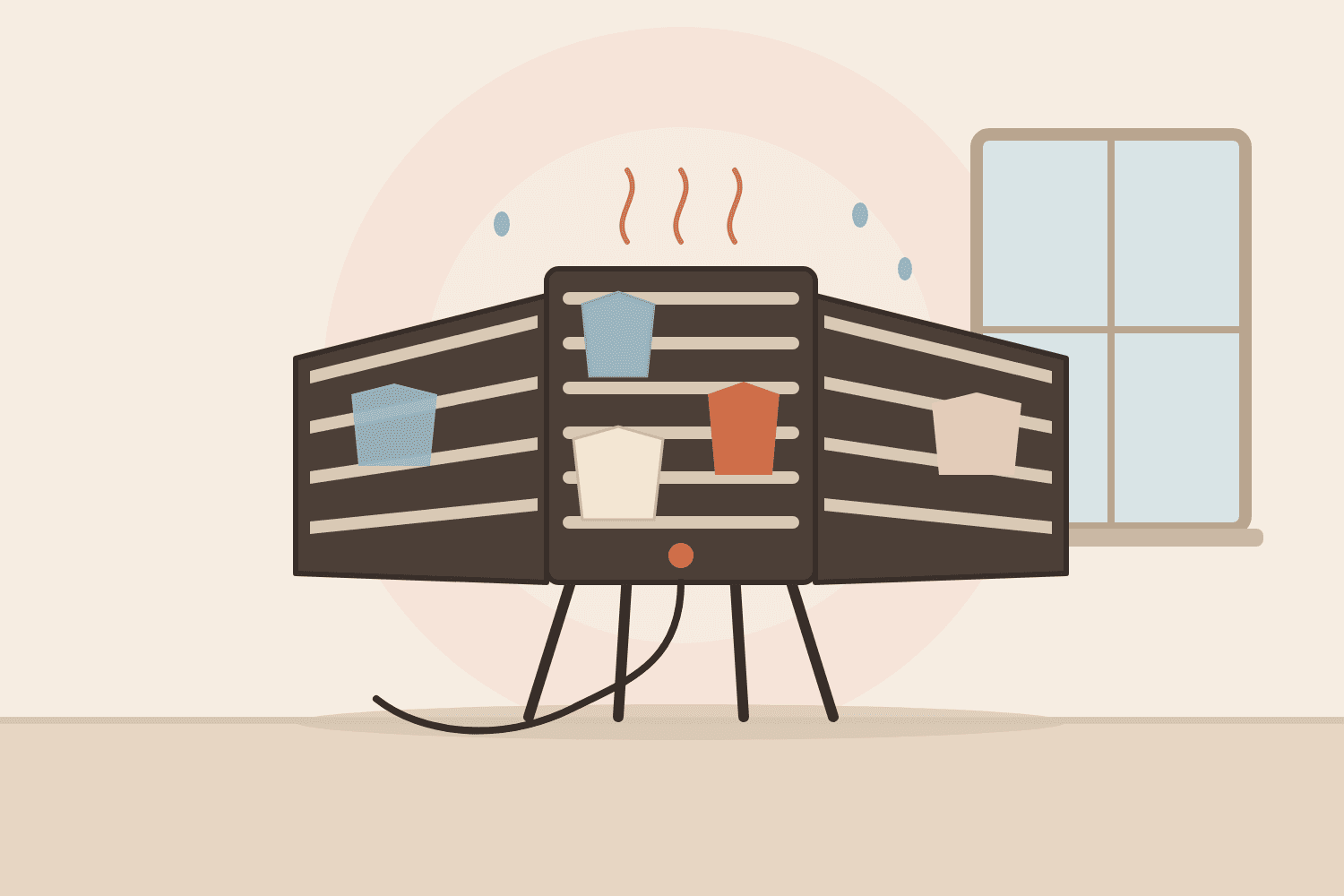
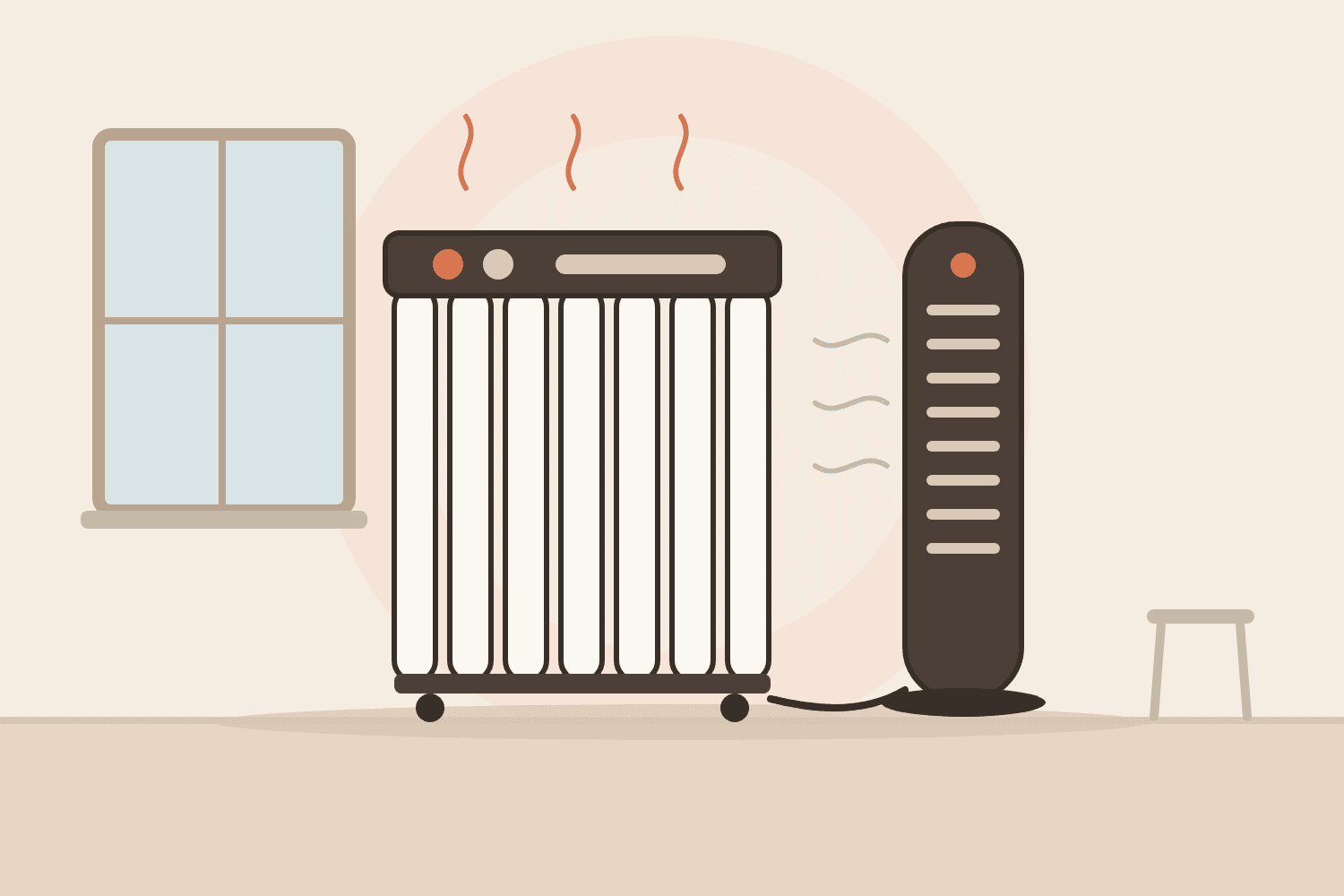
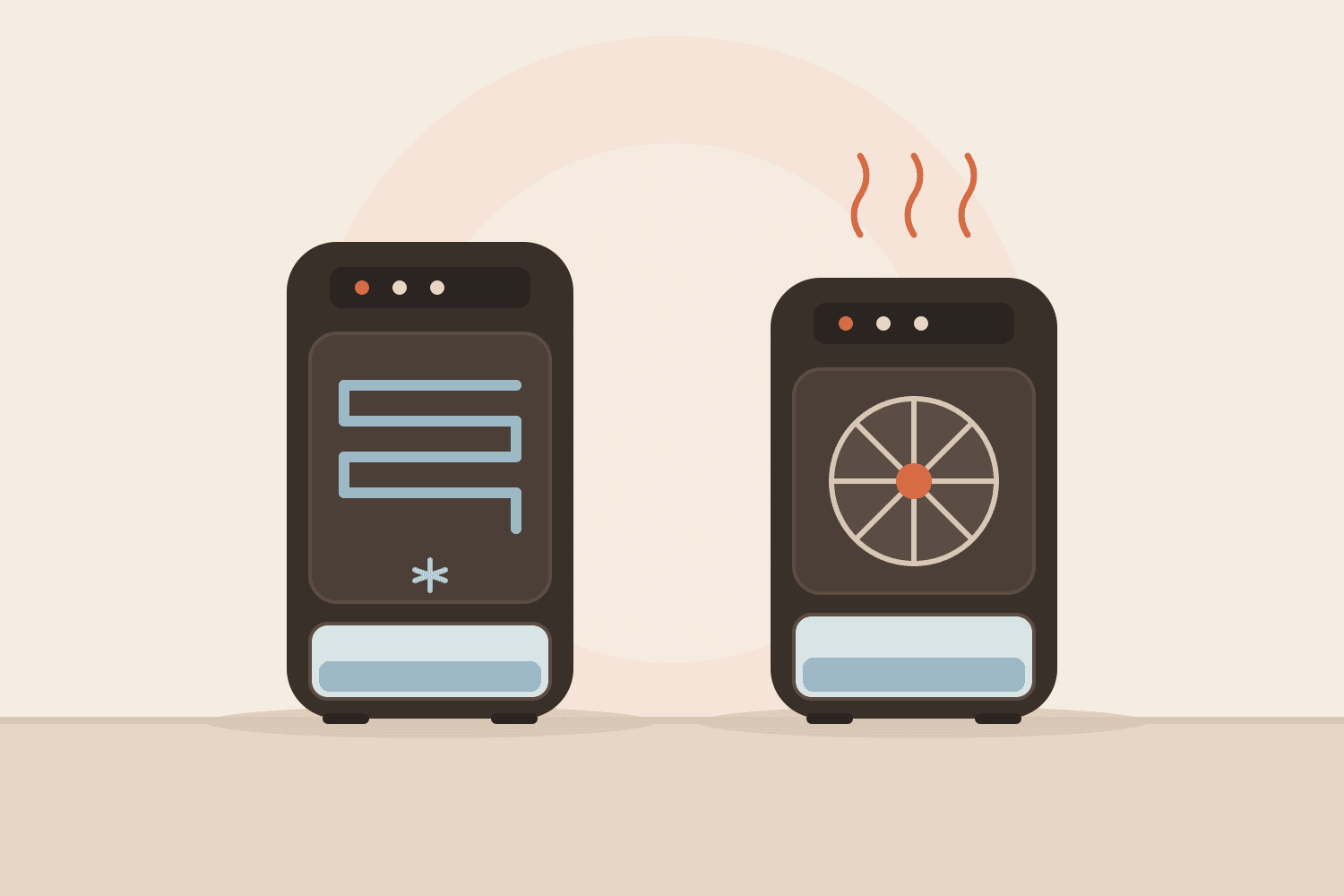
There are three listings. Dehumidifiers are twelve models, heated clothes airers are eleven and portable electric heaters are twelve, each matched to its exact Amazon.co.uk listing and checked against the maker’s own page. Five buying guides and three comparisons sit beside them, including one that sets a heated airer against a dehumidifier for drying clothes and one that sets an oil-filled radiator against a fan heater. Moisture absorbers and air quality are planned but have no listing or guide yet. Everything here is research-based: Shopicks has not tested the appliances it writes about.

A cosy living room with a tan leather sofa, cushions and a fireplace

Browse home & living

Each listing matches every model to its exact Amazon.co.uk listing and checks it against the manufacturer’s own page.

Planned, not listed yet

These appliance types do not have a listing or guide yet. We add one only when enough models have been verified.

  • Moisture absorbersPlanned
  • Air qualityPlanned

Before you buy

Helpful to know

Treat the cause before you buy an appliance

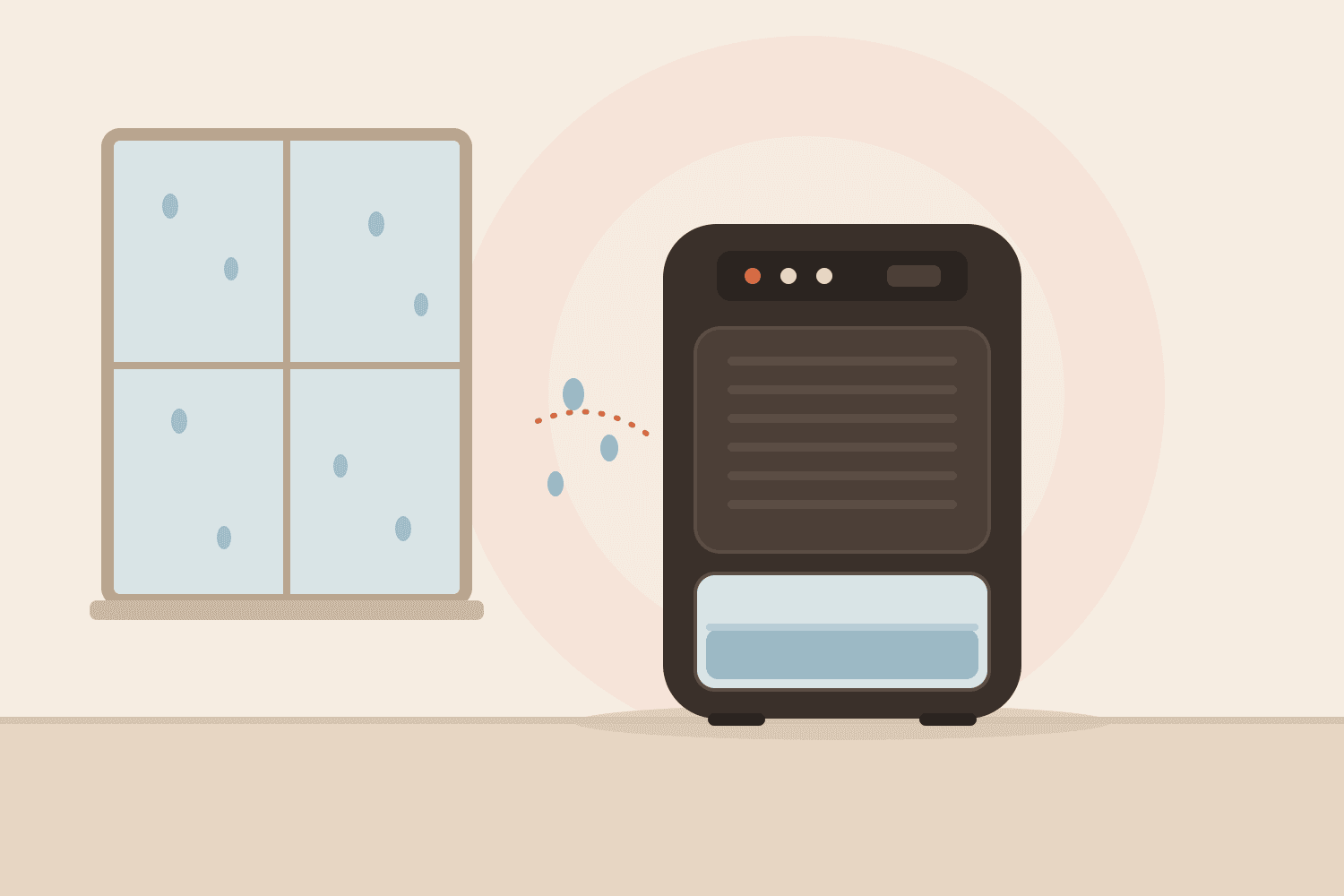
Government guidance for rented housing calls condensation one of the most common causes of damp and mould in homes, and says that removing surface mould alone will not stop it coming back unless the underlying causes are dealt with. Those causes include building faults, inadequate ventilation and inadequate heating. A dehumidifier lowers the moisture in the air of a room. It does not repair a leak, replace a broken extractor fan or warm a cold wall.

That is why the first guide to read, if you have condensation or mould, is the one on condensation, which sets out the order to work in and what a renter can ask a landlord to do. The buying guide and the listing help once a dehumidifier is the right next step.

Read the numbers with their conditions

Litres per day, decibels and room sizes come from makers’ own testing or from none at all. Two ratings are comparable only when the temperature and humidity beside them match, and a noise level is meaningful only when the setting and the distance are stated. Where a maker prints no conditions, we say so on the card.

Shopicks does not run a test lab. We read the makers’ pages and manuals, check that each Amazon.co.uk listing matches the maker’s model, and cite UK public and consumer advice. Where Which? has published test results behind a paywall, we do not use them.

Using plug-in appliances safely

Electrical Safety First says to allow air to circulate freely around a dehumidifier, empty the tank after each use and before moving it, keep the filters and vents clear, and use a socket with RCD protection. Read the manual for the clearances it asks for, and for the maker’s advice on overnight and unattended running. Several of the compressor manuals say the refrigerant gas (R290) is flammable and ask you to keep the unit away from ignition sources and not to puncture the sealed system.

Sources

  1. Understanding and addressing the health risks of damp and mould in the home (opens in a new tab), GOV.UK, checked

    Condensation as a common cause, ventilation and heating, and why removing surface mould is not enough. Updated 1 April 2026.

  2. Best dehumidifiers 2026: tackle mould and damp with our expert picks (opens in a new tab), Which?, checked

    Dehumidifier types, capacity and tank size, and simple steps to try first.

  3. Electrical safety advice for dehumidifiers (opens in a new tab), Electrical Safety First, checked

    Placement, emptying, filters, unattended use and RCD protection.

  4. Portable heaters: electrical safety advice (opens in a new tab), Electrical Safety First, checked

    Placement, distance from combustible items, extension leads, drying clothes and unattended or sleeping use. The page shows no date.

Frequently asked questions

Where should I start if I have condensation or mould?

Start with the cause. Government guidance says condensation is one of the most common causes of damp and mould and that ventilation, heating and building faults all matter. Our condensation guide sets out the order to work in, and a renter should tell their landlord in writing.

Does Shopicks test the appliances it writes about?

No. Shopicks is an editorial site that researches products from manufacturer pages, manuals and UK consumer and safety advice. The cards say what each maker prints, and where a figure has no conditions or the sources disagree, they say so.

Is it safe to leave a portable heater on overnight?

Electrical Safety First says never to leave a heater running unattended or while you are asleep, and the manuals we could read say the same. Shopicks does not recommend running a portable heater overnight. Our portable heaters listing and buying guide set out the placement, distance and extension lead rules.

Featured guide

More home & living advice